Sunday, May 8, 2011

The Moment Has Finally Come

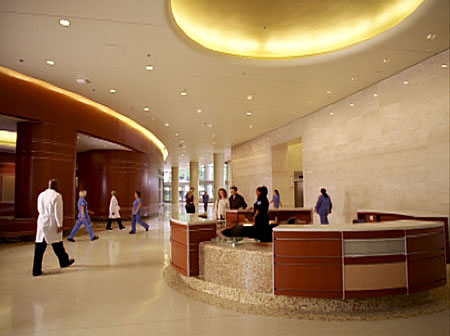
It was not long ago that I had hoped for more aha moments to clarify what to do with my career. Now on rotation out of state, it didn't take long for me to realize that I felt right at home. Perhaps not in relation to my living arrangement, but at least along the lines of a specialty, I know what I want to do. [Pictured: Arrowhead Regional Medical Center, Colton, CA]

My Aha!

I had prepared well in advance for this rotation and anticipated it with great excitement. Everyone with whom I spoke had positive things to say which only fueled the fire. All year I have been craving that feeling that told me this is the right specialty for me. Despite previous experience in emergency medicine, I left room for any specialty that could woo me throughout the year. Although some came close, none were successful. My first shift this week was late into the night and twelve hours long. Only a couple hours into the shift and I was hooked...again. Emergency medicine feels right and holds my interest, even at 3 o'clock in the morning when the conditions may be less than favorable.

It is one of the more exciting events of my third year, to walk to my car after a long day of work and feel just as enthusiastic to return the following day. There is a sense of fulfillment and accomplishment which are perhaps afforded by the instant gratification that the treatment of acute conditions can offer. It is fast paced, full of variety, and there is room to really make a difference. If you don't believe me, ask the patient we coded last night whose heart started again after CPR and a few medications. In only a couple of nights I have been exposed to horrific cancers, multiple stab wounds, and minor illnesses alike. Somewhere between the medicine and procedures the coolness of it all sinks in. How reassuring to have finally figured out my specialty, because I was starting to worry that nothing would stand out.

Question of the Week
A 28-year-old HIV-positive male complains of pain on swallowing. Physical examination is remarkable for white plaque-like material on his tongue and buccal mucosa, which is scraped and sent to the laboratory. Based on these findings, and on the laboratory results, the man is diagnosed with acquired immunodeficiency syndrome (AIDS). With which of the following agents is the man most likely infected?

A. Candida albicans
B. Cytomegalovirus
C. Herpes simplex I
D. Human herpesvirus 8
E. Human papilloma virus

Answer & Explanation

Monday, May 2, 2011

Conquering the COMLEX PE

What seemed like an exam that would suck the life out of me actually turned into something memorable. The COMLEX Level 2 PE was no slice of cake, but it is finally over and behind me.


Visiting Philadelphia

I've been feeling a sense of hostility towards this exam for some time now. It just had to be done and put to rest however. Last week I made the trip, racking up miles and spending lots of cash to see it put to rest. The best part of it all was the Philly Cheese Steak sandwiches. Although my classmates and I were only in Philadelphia for a 24 hour period, we couldn't stop at one sandwich and filled our glutinous desires with a couple. I never would have thought Cheese Whiz on steak could taste so good.

Although I am not allowed to share information about the test in particular since it would violate the policies and jeopardize my grade, I will say it was quite unique moving from room to room in so short a time frame. If that was any indication of what clinical practice will be like, I had better get used to things soon. I don't know if anybody walks out of that exam feeling confident that they solidified a passing grade. All we can do is hope that we put our best foot forward and let our experience do the talking. The rest is in the hands of the graders to determine our fate. So begins the long wait in agony for a pass/fail test result. At least I have a 50% chance of doing well.  

Question of the Week
During a bitterly cold winter, an elderly couple is found dead in
their apartment. All of their windows are closed and their leaky old
furnace is on full. Which of the following is the primary mechanism
by which the toxin involved led to the death of this couple?

A. Decreasing intracellular calcium
B. Inhibition of cytochrome oxidase
C. Inhibition of Na+/K+ ATPase
D. Irreversibly binding to hemoglobin
E. Stimulation of cellular apoptosis

Answer & Explanation

Sunday, April 24, 2011

COMLEX Level 2 Performance Evaluation

This "vacation" month has been quite useful. I started with an extended hospital stay, added a little at-home recovery time, and will shortly be taking my practical board examination. This test, known as the COMLEX 2 PE, is just the next hurdle on my path to becoming a physician.

Board Exam Number 2

The COMLEX 2 PE tests students' ability to obtain a patient history, conduct a physical exam, and write a patient note within an allotted time of 23 minutes. We are graded in two domains: biomedical/biomechanical and humanistic. The former is a conglomerate of skills performed with the patient, information gathering and written communication of associated findings, while the latter is derived by the patient/actor in response to our interpersonal skills and professionalism. Students must pass both domains to effectively pass the examination. We will interact with 12 patients throughout the seven hour day. Although this is an exam we have prepared for in school and on rotation, it is a standardized board exam and that means high-stress.

Normally, with enough practice an examination such as this should be second nature. In fact, most students return with the feeling that it was not a difficult process at all. The stress comes in the details surrounding the exam. From here in Las Vegas, I must travel 2,500 miles across the country as there is only one test site. The exam itself is expensive, a small investment of $1,100. Then there are the airfares, lodging, and travel expenses to include. The time commitment is not too overwhelming, but requires a couple days off for traveling. It's easy to see why we want to pass on the first time so badly. This is not an exam anybody wants to repeat for a number of sound reasons. In one week's time, it will be behind me and hopefully for good. Unfortunately, I will not know my fate for another two months when scores are reported. In the meantime, I am thinking positive thoughts and trying to enjoy the remainder of my so-called vacation.

Question of the Week
A 46-year-old woman presents with complaints of feeling as if she
has "sand in her eyes" and reports difficulty swallowing such foods
as crackers or toast. Which of the following pairs of tests would
likely yield positive results in this patient?

A. Anti-centromere antibody and rheumatoid factor
B. Anti-Scl-70 antibody and anti-Smith antibody
C. Anti-Smith antibody and anti-double stranded DNA antibody
D. Rheumatoid factor and anti-double stranded DNA
E. Rheumatoid factor and anti-SS-A antibody

Answer & Explanation

Sunday, April 17, 2011

Dreaming of Paradise

While most students are gearing up for spring break, good weather and time off from their workloads, I find myself in a little different scenario. I am spending my "vacation" recovering from surgery and preparing for board examinations...a whole new kind of fun.

A Breath of Fresh Air

Always wanting to take advantage of school vacations and explore foreign environments, I think I am a little bitter this time around. What was intended to be a month of nothingness, quickly became a month of hospitalization and due diligence for the practical portion of board exams. I made it out of the hospital alive, but somehow could not bring myself to study much. That was a good thing, because it was about the only real vacation time I experienced. Now to get back to the books and practicing to be a student doctor on the other side of the country. It has to be done, so I would rather get it behind me early, but I was hoping it wouldn't eat up so much of my vacation.

Why is it that when breaks come, it is so easy to choose the masochistic approach of work and little play? As a medical student, there is always the next step and the next hurdle. When we have time to sit back and get some R&R, we try to do so, but have anxious tendencies about getting things done. Maybe I am the only one that feels this way. This is certainly a Type A personality trait; always on the go, wondering what's next and overboard about everything. I need a real breather. I'm thinking something on a beach; away from this, away from reality and not tied down to a checklist of things needing attention. Maybe when fourth year is over.

Question of the Week
True or False: You can be on vacation and not feel like it is vacation at all.

Sunday, April 10, 2011

Life as a Patient

Finally nearing the end of my hospital stay, I have gleaned a great deal of information and experienced my share of ups and downs. Surgery was a difficult experience as it left me with pain, wounds, and the after effects of anesthesia. Being in the ICU with all of its high-tech glory was much less fun than I remembered from rounds.


Post-Operative Recovery

Fortunately, I was able to avoid catheterization. Nonetheless, the anesthetics had a long lasting effect that disturbed both my gastrointestinal and urinary tracts. Every time I tried to drink fluids, my stomach would have nothing to do with it. I had to keep the emesis container within reach as there was no way of judging how my body would react. It was more annoying than anything as the cottonmouth was rather unpleasant. Between medicated naps and side aches from my freshly placed chest tube, all I could do was wait for the anesthesia to wear off with my barf bag in hand. Learning to adjust to my new wounds and pains was going to take some time, and all I could do was wait. As the clock rolled, I became hungrier and dared to try solids. It tasted good, went down well and sat well...but only for 10 minutes. It was then that I wished I had an emesis bag the most; a simple device I could put on and forget about. Luckily, it became easier to hold the food in and now I had to get my bladder to cooperate. With some serious concentration, faucets running and a friendly coaxing from my visitors, the bladder situation was overcome in due time.


Little did I know that the next few days would be worse. Inflammation, muscle aches, tubes, wires, medications and the list goes on. Now I was starting to understand what my post-operative patients had been experiencing. From one unpleasant experience to the next, I was now on the doctor's schedule awaiting instructions and decisions. My job was to report any problems, stay attached to all my wall connections, exercise my lungs and generally get better. I was happy to hear I was the most stable patient on the ward, which was to be expected as I was also the youngest. The TV was boring, my neighbor's moans annoying and the food not always appetizing. Getting up and walking around the unit was the most enjoyable activity I participated in during my stint. Something we so easily take for granted had now become the highlight of my day. At last discharge is in sight and I can soon recover in the comfort of my own home. This experience, however, has made a significant impact on my perception of health care and the way I intend to approach my future patients. What a great way to spend my vacation month.

Question of the Week
As a new patient on the surgery ward you are asked by the dietitian make your next meal order. Which of the following will have the worst effect on your health and recovery?

A. Turkey roast with mashed potatoes and broccoli
B. Chicken fingers and French fries
C. Meatloaf with mixed vegetables and a dinner roll
D. Shrimp pasta alfredo with garlic bread
E. Chicken salad wrap with clam chowder soup


Answer & Explanation

Sunday, April 3, 2011

Finding Pneumo

Excited to finish my last core rotation and move on to my first elective, I wanted to make a quick stop at the doctor's office for a prescription. Unfortunately, the cough I had was not readily treatable by prescription and would have to be further evaluated at the hospital.

The "Patient" Rotation

Reluctantly, I made my way to the hospital to have the spontaneous pneumothorax treated. A chest tube and days later I still find myself suction tied to my room awaiting a change in pulmonary status. The first time I was given oxygen I almost recoiled as though they intended it for another patient and must have made a mistake. The nurse responded and said, "it's hard to be a patient, huh?" The truth is that I don't know what it is like to be a patient. Over the last few months I have been contemplating what it must be like to be stuck in the hospital bed waiting for providers, asking for medications and not on your own turf. What do patients feel with certain medications? How do they manage to clean up on their own? Is the patient food worse than the food medical staff get? Does it really take that long for call lights to be answered? Now I am learning first hand what patient life is really like.

Because of the suction device attached to the wall, I get a moving radius of 15 feet, almost like a dog tied to a stake in the yard. No walks in the hall and I can't even get to the other side of my room to use the waste bin. Fortunately, I have a window overlooking The Strip and the sun shines in its little square of heaven for a few hours every day. Despite an occasional delay in response to my call light, I've been very well cared for. Perhaps it has helped that I am a medical student and the staff are potentially peers. Perhaps they are just that good and I have been lucky to have such nice help. Either way, every part of this experience is new. There is no doubt in my mind that this short stint of time is teaching me more about medicine than I could ever learn in my medical training.

I am not refusing the experience or wishing it wasn't me. Rather, I am accepting it as an opportunity to learn what the other side of being a doctor is all about. I want to absorb it and unfortunately eat, breathe and sleep it. One thing is certain, patience is mandatory, both with self and others. It is not an easy process with  ups and downs around every corner. I was looking forward to starting a new rotation tomorrow in Emergency Medicine at an out of state facility. Plans have changed and I may no longer have that experience, but I feel it has been replaced with an experience just as meaningful. 

Question of the Week
Which of the following statements is true regarding spontaneous pneumothorax?

A. Primary spontaneous pneumothorax typically occurs in tall, thin, older adults.
B. The definitive treatment of a pneumothorax involves the placement of an intercostal drain.
C. Catamenial pneumothorax typically occurs during the end of menses when a patient is taking oral contraceptives.
D. Hemothorax occurs in up to 20% of patients with spontaneous pneumothorax.
E. Pleurectomy is preferred over mechanical pleurodesis for recurrent pneumothorax.

Answer & Explanation

Wednesday, March 30, 2011

Close to the Bone

Guest post of the week by Deangelo Spencer

Baking shows are the best.  They are the perfect show to put on after a long day of hard, grueling work at the office.  There may be nothing in the world that is better than watching a nice show about baking.  It is such a great escape.  I love to learn new tips and tricks about how to make mouth-watering dishes for myself and my family.

My absolute favorite baking show of all-time is Close to the Bone - Surgeons and Chefs.  Close to the Bone - Surgeons and Chefs is an extremely intriguing and ambiguous cooking show.  I watch this fine program on my Best Choice TV.  It was created by the very smart Mr. Richard Hu.  Richard Hu is actually a great orthopedic surgeon in his day job.  But at night, he is a world-class chef.  What a talented guy.  This show is on the Canadian Learning Channel.  The show's set is even made up to look like an operating room.  The various surgeons who are on this show cook a variety of interesting meals that relate in some way to their medical specialties.  For instance, a surgeon who focuses on knees is likely to come on the show and cook fried drumsticks.  A hematologist could cook up some liver.  It's a goofy show, but I can't get enough of it.

Close to the Bone is an excellent show.

Sunday, March 27, 2011

Post Operative Rehabilitation

I am finishing orthopedic surgery this week and thinking back over all the things I have learned. Basically, if it hurts take an anti-inflammatory, when that doesn't work we start poking holes in your joints and if that is no longer helping we fix you surgically. Then you get pain killers, numerous follow up visits and lots of physical therapy.

Bionic Therapy 

I happened to get a sneak peak at patients in therapy and wondered, "who really has time to do rehab anymore?" Every now and then I hear about TENS units as a therapeutic option for pain control and rehabilitation. Once upon a time I came across one and played with it for a few minutes which was rather amusing. Without making any effort at all, the muscle under the pads contract and your body contorts accordingly as if you were signaling the movement. These muscle stimulators take the work out of therapy and let the electricity carry the responsibility. It may not be the best method of recovery, but it is certainly an alternative option. For additional information about LGMedSupply's products visit their online customer blog.


Personally, I feel that physical therapy is designed to be strenuous to muscle to help build tone, resistance, and muscle memory. Getting back into routine activities can be difficult without the proper training and many of the patients we see have mixed feelings about their post-operative therapy. Electrical stimulating devices may be a part of that process, but should not replace the participation in other therapeutic activities. As my use of such devices is limited, I would be interested in hearing your experiences with TENS units and the usefulness of physical therapy.


Question of the Week

A 25 year old active male visits your office after experiencing a twisting injury of his right leg during a soccer match. On exam you palpate and hear clicking when performing a McMurray test. There is a negative Lachman's and posterior drawer test. Varus and valgus stressing shows no laxity of the knee joint. The initial step in management for this patient would be to


A. Immobilization with a leg brace
B. Arthroscopy of the affected joint
C. Prescribe cryotherapy and NSAIDs
D. Obtain an X-ray of the knee
E. Order magnetic resonance imaging of the knee


Answer & Explanation

Sunday, March 20, 2011

Preparing for Board Exams... Again

Round two of board exams is now in full swing. It seems like just last month I was preparing for the first of many and here I am again, squeezing every opportunity to study out of every waking moment.

Step 2 Resources

On the way to the hospital or clinic, the lecture tour of medical topics begins in mp3 format. The few minutes between patients give me just enough time to consume a page or two from Boards and Wards. If I can avoid sleep driving, I catch up on the audio files during the ride home. After a quick break for dinner it's back to the books. My time is divided among Step-Up to USMLE Step 2, Premier Review and First Aid for the USMLE Step 2 CK. Of course there is a lot of overlap between texts that has been beneficial for review purposes which can easily be skimmed. Depending on the day, I may do a set of questions from various Qbanks or get together with classmates to prepare for the clinical skills exam. For the latter we have been using First Aid for the USMLE Step 2 CS as it provides clinical cases to prompt our interaction.

Looking at all the resources can be overwhelming. Thankfully, I was recently introduced to an iPhone app that helps calm my mind by taking the guesswork out of organizing everything. Cram Fighter is the perfect tool for students who plan to follow their own schedule when reviewing for board exams. By simply entering the books, Qbanks, subject order, dates and times, the application builds a calendar checklist to meet your deadlines. It breaks down the number of pages to cover on any given day, provides "catch-up" days if you fall behind and will adjust your calendar if needed. For the nominal cost of the application, I have saved myself undue stress and anxiety. Perhaps it really appeals to me because filling in check boxes has always been a rewarding experience in and of itself. Whatever the case may be, I think this is a valuable tool in preparing for boards.

Question of the Week
An 18 year old college freshman presents to the emergency department after experiencing a seizure at a party. Her friend says that she was consuming alcohol and complained of severe abdominal pain before vomiting and later convulsing. She has no signs of convulsive activity after admission to the hospital for observation. The next morning, an observant medical student notices red-brown urine in her Foley catheter bag and that the patient's urine toxicology screen is positive. Which drug most likely contributed to the patient's symptoms?

A. Cocaine
B. Heroine
C. Marijuana
D. Methamphetamine
E. Phenobarbital

Answer & Explanation

Sunday, March 13, 2011

Orthopedic Surgery

Although it may appear as though I am on my way to play virtual Tron or that I have the worst dental apparatus around, this little device was quite fascinating to myself, the naive student on orthopedic surgery.


Surgical Expectations

My first day in the operating room was a little of what I expected and a lot of what I hadn't. When they handed me a helmet, I thought perhaps I was about to be the brunt of a prank. It was legit and even had a nifty battery pack to boot. When we scrubbed in they attached the bio-hazard-like helmet cover to keep us sterile. It was quite comfortable inside with a little fan to keep the air flowing in the hood almost like a personalized air conditioning device. Apparently, with the amount of fluid and debris flying during orthopedic procedures, this is a rather important device. Thankfully I didn't sneeze on my little window, but the runny nose was on full display for everyone else as there was no way to get a tissue inside the hood.

I did expect to see hammering and the use of a chisel, after all this is orthopedics. I did not expect to see the jackhammer that was used to prepare for the femoral implant, however. It was akin to something out of a horror movie. The team and I held open the hip while the doctor got to work. As could be expected for any medical student, I held the retractors long enough that my hands ached with pain and lost sensation from the lack of blood. Fortunately, there was enough movement and hands available throughout the procedure to avoid too much damage. Being the new medical student on board meant I wasn't expected to know much. If it wasn't for the scrub nurse, I am rather certain I would have had no idea what instruments to use during the procedure. In the end, it was a great learning experience and now I kind of want one of those helmet and hood devices to brave the Las Vegas heat.

Question of the Week
A 70 year old women has recently been operated on for a total right hip arthroplasty. All of the following are appropriate prophylaxis for deep-vein thrombosis EXCEPT

A. Warfarin
B. pneumatic compression boots
C. subcutaneous low molecular weight heparin
D. intravenous heparin
E. Aspirin

Answer & Explanation

Sunday, March 6, 2011

Medical Investing

With a little work directed appropriately our efforts will pay off in the end. It is a matter of making the initial investment that determines the success we obtain. As Benjamin Franklin said, "An investment in knowledge pays the best interest."

Seeking Dividends

There are definitely times when it becomes difficult as a student to see the finish line. We question everything we are doing and wonder if it makes any sense at all. Think just for a second, how many people do you know would pay thousands of dollars to work for free, be given endless hours of study responsibility, and be deprived of leisure or sleep for four years? I thought it was funny when my attending recently commented that nobody pays to go to work and that it just wouldn't make sense for people to invest like that. In good humor I rose my hand and said that I do, to which he quickly replied that my situation was different. I disagree, however. My time, money and resources are currently being invested in my education so that one day I can realize a lifelong goal and reap the accrued interest.

Unfortunately, we are not educated in school as to the inner workings of medical business. Most of that must be learned in practice or from personal research. As far as finances go, there are some wise decisions to be made, assuming you know what those are. One of my favorite places to get money-wise information for the medical professional is at PoorMD. From one who has been there and done that, the author gives great financial advice that is easy to implement at any stage of practice. It's just a matter of seeing now the potential our investments could have latter, and taking advantage of those opportunities.

Question of the Week

A 4-month-old male presents with twitching of the facial muscles. He has previously been seen for several severe episodes of Candida infections. On examination, the child has low-set ears, hypertelorism, and a shortened philtrum. What additional findings would be likely in this individual?

A. Prominent telangiectasias around the eyes
B. Decreased alpha-fetoprotein
C. Decreased IgA levels
D. Elevated IgM levels
E. Absent thymic shadow on chest x-ray

Answer & Explanation

Sunday, February 27, 2011

Understanding How Residency Programs Will Evaluate You

Between board exams, clinical rotations and setting up residency interviews, this year promises to be busier than the last. All efforts up until this point have been paving the way for residency interviews and applications. 

Strengthening Your Application

I recently came across various data sets provided by the National Resident Matching Program (NRMP). It's not enough to present yourself well and make good with everyone you meet on the interview trail. To complement your in-person encounter, the chart above highlights the power-packed characteristics that program directors are looking for when they see you on paper. These are the 2010 NRMP program director mean importance ratings of factors in ranking applicants.

As reported, the strongest assets in your file will be letters of recommendation, grades and honors in your desired specialty. Step 1 scores, class rank, and strong performance on clerkships are close behind. It is worth noting that the personal statement, life experiences, and research have less of an impact on how we are evaluated, but play a small role nonetheless. In my opinion, if the evaluation criteria made its way onto this report it is in your best interest to consider developing that attribute on your application.

Interestingly, "other post-interview contact" was ranked rather low on this report, yet it has made its way onto the list. A well-placed phone call or hand-written card of appreciation would be an effective way to strengthen your candidacy. In fact it is probably one of the simplest, most inexpensive and least time consuming action we can take in our favor.

This is definitely an exciting and stressful time for all who are at this stage. Enjoy the challenge and make the most of your third and fourth years. Good luck to those preparing for the upcoming match and to everyone who will be on the interview trail in a matter of months.If you are interested in viewing information regarding a specific specialty or other reports, visit the NRMP website.

Question of the Week
A third year medical student is stressing out about upcoming exams, residency and career choices. He simultaneously blogs about his life as a medical student. Each week he writes or finds a question to pose at the end of his posts, yet wonders if these questions are of any benefit. What should be his next step?

A. Seek psychiatric counseling to address his stressors
B. Put an end to the "Question of the Week"
C. Accept reader submitted questions
D. Continue posing weekly questions
Answers & Explanations (post as a comment)

Sunday, February 20, 2011

Specialty Attire

Contrary to what I expected of a surgical rotation, I have not had the opportunity to wear scrubs all that frequently. I suppose being in an office based surgical sub-specialty merits wearing a tie and slacks more often than not. It's rather sad as I was looking forward to the change in wardrobe.

Dressed for Success

In urology I have seen a fair number of in-office procedures and considering the field, one would be correct in thinking they were occasionally messy. For a surgical specialty, we rarely see blood, but there are plenty of other fluids to be concerned about, though nothing a good lab coat couldn't handle. The urogenital organs, when combined, are no bigger than a volleyball and yet there is an entire profession dedicated to their treatment. Nonetheless, when these organs are not working properly, they can significantly decrease an individual's quality of life.

Much of what the physicians do in the office is geared towards keeping their patients out of the operating room. Apparently it is working well as there is little hospital time - at least in this particular practice. Many of the special cameras, ultrasound equipment and other instruments can easily be stored, making their office based practice feasible. Unfortunately, as a student I am not getting many of the skills commonly found in the operating room such as anatomical referencing, equipment handling and suturing. Overall, it has been an intriguing month and an eye-opener to a field I would not have otherwise considered. Whether wearing a shirt and tie combination or a relaxed scrub uniform, doctors can choose their work environment to fit their needs and their practice.

Question of the Week
A 22-year-old G2 P1 woman gives birth following an uncomplicated pregnancy to a term male infant weighing 2850 gm. On physical examination he has incomplete development of the dorsal aspect of the penile urethra, with the defect extending to the bladder, which is open on the lower abdominal wall. Which of the following is the most likely diagnosis?

A. Hypospadias
B. Bowen disease
C. Balanoposthitis
D. Epispadias
E. Paraphimosis

Answer & Explanation

Sunday, February 13, 2011

Making Use of the Library

I had no idea I would find myself in a library so soon. It feels as though I just finished preparing for board exams and now it's time to start all over again. After being in clinic so much, it was rather refreshing to visit the book vault again.

House of Books

Despite the clinic hours in third year, I still manage to find time to study at home. The library tends to change things up a little and re-engages the wayward dedication to endlessly cramming information into my head. Well, if for nothing else, at least it is a change in scenery. It was nice to see the tome-filled shelves in every direction. At Touro University Nevada, the majority of library resources are online and there is one shelving unit housing medical journals and old editions of various medical texts.

In this digital age, there is little need for printed editions of books. Almost everything can be found online, on compact disc, or on digital readers. It makes me wonder how medical school was years ago when the books in the library were the only source available. There were likely less distractions as Facebook, Twitter and YouTube were not yet evolved. If your library only had one book on the subject being researched, that was all you had to learn, instead of the plethora of Google results we have today that create an endless stream of knowledge.

The benefit of a digitized world is that the information is at our fingertips, whenever we need it and it doesn't require a body builder's physique to carry it around. We can get the information fast and from numerous sources. But those poor books at the library will just sit and go untouched for years because the sound of paper turning has been replaced by mouse clicking and key tapping. Being at the library was simulated going to a museum and experiencing first hand what black print on white smells and feels like. Perhaps one day I will be able to put screen culture aside and actual enjoy simpler things. With board exams approaching, I don't think that will be any time soon.

Question of the Week
A 24 year old male presents at the emergency department complaining of groin pain. On exam you find no testicular/scrotal swelling or discoloration, positive cremasteric reflex, and positive Prehn sign. What is the most likely diagnosis?

A. Torsion of the Appendix Testis
B. Spermatocele
C. Epididymitis
D. Testicular torsion
E. Testicular Cancer

Answer & Explanation

Sunday, February 6, 2011

Heart Health

The recency of my month on cardiology continues to nag at the inner beast that wants everything bad for the heart. Making wise decisions in diet and exercise has been one of the hardest challenges over the first years of medical school.

Fighting the Urge

Now working a specialty offering a little extra free time, I continue to be confronted with using my downtime effectively. I find that even with just a small amount of physical activity my days seem to be more productive. In addition to generally feeling better, that pesky voice of guilt is silenced more often. So I'm hoping that my yoga sessions and runs have put a little counterweight against the fries and pizza I couldn't resist.

Disappointingly, I've slowly watched my belly grow and my view of the ground become more limited. The belt has been loosened a notch to accommodate my horizontal expansion in an effort to breath more comfortably. This is not exactly what I had in mind when came to school. Now cursed with this food baby, I feel compelled to do something about it. Time is not more plentiful than before, but when productivity increases as a result of healthy living, there is a definite benefit to setting aside the time.

Question of the Week
A confused elderly man who was wandering around complaining of abdominal pain is taken by ambulance to the emergency department. He is unable to give a coherent history. Urine analysis shows ketones without glucosuria. Plasma glucose is 100 mg/dL. What is the most likely explanation for these findings?

A. Congestive Heart Failure
B. Emphysema
C. Alcoholism
D. Inflammatory Bowel Disease
E. Rheumatoid Arthritis

Answer & Explanation

Sunday, January 30, 2011

Hospital Medicine

Last week concluded my time on Internal medicine. I am going to miss the inpatient experience roaming the hospital and seeing patients bedside. Despite the early, long and late hours, I am quite certain I want to work in the hospital as a physician.

Feeling at Home

I remember as a child the occasional visit or field trip to the hospital. As the doors would open, the aroma of sterility hit and the white of the halls shone. It was an environment like no other that I had experienced and it somehow seemed different. Wheelchairs, oxygen tanks and rolling beds, it was enough to get me thinking of the day I would be working in a similar place. Little has changed since then. I still feel the thrill as I step through the doors and walk the halls. Perhaps it's the nerd in me coming out, but I like to think it's my inner child telling me I am in the right place.

Knowing I wanted to be a doctor is old news. What type - is now the topic of discussion.  My usual response is to be a "good" doctor, which is possible, but I still have to choose a field of interest. At least if I am not yet decided, I can rely on knowing I want to work in the hospital setting. That decision alone eliminates a significant number of specialties. Hopefully in the next few months there will be more aha moments to clarify the path.

Question of the Week
While monitoring a 50 year old male who is short of breath, you notice his 12-lead ECG shows tachycardia and pre-excitation of the QRS complex as evidenced by a delta wave. Which of the following is the definitive treatment?

A. Cardiac glycoside (Digitalis)
B. Beta-Blocker (Metoprolol)
C. Calcium Channel Blocker (Verapamil)
D. Catheter Ablation
E. Coronary Angioplasty

Answer & Explanation

Sunday, January 23, 2011

Medical Records

Sitting at my computer typing away as I contemplate my week in medicine reminds me of the 90's television show Doogie Howser. My screen is not limited to white text on blue, but essentially is the same idea in a different century.

Doogie Howser M.D.

As I type this, the digitized theme song plays in my head, while a young boy with a stethoscope parades around a hospital in an over-sized white coat. When I was younger I thought being in his shoes would have been great. Now learning medicine some 20 years later, I'm glad I had the time to mature and develop an understanding of the challenging subject. The time it takes parallels the lessons learned; unfortunately I cannot put them all in my digital diary.

In one of his journal entries, Doogie writes,
"The best success is usually the one you risk the most to achieve. But tonight I learned that sometimes just taking the risk is its own reward."
I certainly agree that in taking risks we push ourselves to new heights and grow exponentially from the lessons learned. Being involved in the hardest thing I have ever done is also one of the most rewarding. Finally realizing what I had always dreamed has never felt better. For those of you who may have missed Dr. Howser, it's not too late to get your fill thanks to the internet. Watch Doogie Howser M.D.

Question of the Week
A 22-year-old female college student is brought into the emergency room by the police, who found her walking back and forth across a busy street, talking to herself. The young woman appears to be oriented with respect to person, place, and time. Her first hospital admission was two months ago for a similar condition. During a psychiatric interview, she has difficulty concentrating, and seems to hear voices. A phone call to her sister provides the additional information that the girl dropped out of school three months ago and has been living on the street. Urine toxicology is negative. This patient is most likely exhibiting the signs and symptoms of

A. Schizoaffective disorder
B. Schizoid personality disorder
C. Schizophrenia
D. Schizophreniform disorder
E. Schizotypal personality disorder

Answer & Explanation

Sunday, January 16, 2011

A Student's Diagnosis

Diagnosis is usually left to the doctor, but as a student I can certainly "paint a picture" that might be suggestive enough to the attending physician for them to consider my thinking. Hopefully, as time progresses, my diagnostic skills do the same.

Painting My Picture

This week, on multiple occasions, I had the fortune of reading more ECGs, which is not really a surprise as I am still on the cardiology service. The difference is that these had already been misinterpreted by other physicians suggesting that the patients were not receiving optimal treatment for a brief period. Since students are expected to know their patients better than the rest of the team it is easy to understand how much of a difference we can make in their clinical care. In these particular cases it was rewarding to know I had enough knowledge to interpret the ECGs correctly and bring this to the attention of my attending physician. Medications were changed, diagnoses were corrected, and procedures were performed to meet the needs of the patients. Anyone who thinks students serve no purpose investigating a patient's condition should seriously reconsider that thought.

Many patients may be perturbed that students pose questions for the umpteenth time and spend more time gathering a history than the physician normally would. This thinking seems a little backwards to me. Students will spend more time developing a full clinical picture to present to their attending physician. If residents are involved, the story may have to be repeated again, but that is one more brain involved in the solution-seeking formula. In the end multiple people have labored over the clinical case; ideas have been discussed and re-evaluated numerous times. Yet when patients scoff at my questioning and the thought of having to repeat themselves, I wonder if they understand how good they really have it. (Um, you know you are getting two or three heads for the price of one, right?)

Question of the Week
A previously healthy 50-year-old man complains of chest tightness, palpitations, and dizziness.  HR is 170 bpm, BP is 90/60 mmHg, and the ECG shows a narrow-complex tachycardia. You decide that the rhythm is multifocal atrial tachycardia.  He failed to respond to initial vagal maneuvers and 2 rounds of adenosine.  As your next action, which of the following treatments is inappropriate?

a.IV amiodarone
b.IV metoprolol
c.IV diltiazem
d.DC cardioversion

Answer & Explanation
(ACLS Algorithm)

Sunday, January 9, 2011

Cardiology

Each month has provided interesting rotations. This month is no different as I am now currently working on the in-house cardiology service and trying to keep "pace."

The Heart

The 'ticker patrol' moves swiftly through the halls as a sea of white following our attending from patient to patient. It's obvious the cardiologist is concerned about his heart; early morning runs, always using the stairs, and driven to maintain a healthy diet. He sees first hand how people destroy one of the most important organs in their body simply by how they live. His brisk demeanor, lively teaching style and caring bedside manner have taught me more about being a good physician in a week than some preceptors do in a month or more. He loves what he is doing and it shows in every aspect of his practice. How appropriate for one who cares for the heart.

We feel for pulses, look for venous distention and listen for the "Lub Dub" as reassuring signs or good cardiac function. I continue to be amazed by the amount of information one can pick up from some tests, especially the electrocardiogram (ECG). This electrical picture of the heart tells a story of where a heart has been, what it is doing and what may happen if treatment is not given. Yet the ECG is only one piece of the puzzle that can be complimented by other studies and tests, all in an effort to preserve the life giving organ.

I remember the first time I performed CPR on a patient like it was yesterday. It was a child not more than 5 years old. The room was filled with so many health care providers that there was barely room to move. I was the last to attempt resuscitation efforts. Not long after I started, the parents entered the trauma suite to be with their child for the last time while the heart was pumping blood to the tissues. In between compressions I distinctly remember looking around and noticing that there was not a dry eye present. It then hit me that my compressions were no longer for the child, but for the parents who longed to have their child once more. It is no surprise that we use the heart as a symbol of love, for it carries that emotion throughout humanity.

Question of the Week

With the new year it is time to say goodbye to a rather useful resource, wikitestprep is no longer in operation. The question then is this:
What other free resources are available to students wanting to prepare for the medical licensing board exams
Please leave your answers in the comment section.

Sunday, January 2, 2011

A Fresh Start

With the new year finally here, we are hopefully more ready than ever to make this year a success. I don't know what lies ahead nor what to expect, but in remaining optimistic, I imagine great things.

Annual Expectations

Like starting a school year anew, this time of change allows us to regroup and push forward with stronger resolve than before. As if I was not already burning time with my studies, the time is coming to start preparing for board exams and residency applications. Perhaps that is a little premature, but at least I am thinking about it now rather than waiting until the last minute to conjure up my approach. In 2011 I plan to follow the advice of the band Daft Punk. Their counsel: "Harder, Better, Faster, Stronger."

Putting more oomph into my work may not be as easy as I imagine. It seems there is always something that hinders more effort and better efficiency. I guess my secondary goal is to overcome those things and find the success I am looking for in the coming year. One step at a time will keep things moving in the right direction. So this year I am putting my best foot forward and crossing my fingers the returns will be exponential.

Question of the Week
Looking in his medicine cabinet, a 45-year-old man with fever, nasal congestion, fatigue, and arthralgias finds a drug that was originally prescribed for his 15-year-old son's acne. He comes to see his doctor after noticing he has been urinating more frequently than normal ever since taking this drug. Physical examination reveals dry mucous membranes. Blood tests reveal hypokalemia and a pH of 7.2. Urinalysis reveals elevated levels of glucose, protein, calcium, and phosphate. If this condition goes untreated, which of the following is the most likely long-term complication for this patient?

A. Diabetes insipidus
B. Diabetes mellitus
C. Osteomalacia
D. Osteopetrosis
E. Rickets

Answer & Explanation