Showing posts with label Books. Show all posts

Sunday, March 18, 2012

Behind the Mask

Unless you work in an operating room, the routine of what to expect may be rather frightening and foreign. The anesthesiologist makes sure patients fall asleep and somewhere between the induction agents and analgesics there is very little remembered. It's no wonder so many are mystified by the effects of a surgeon's cold steel before, during and after an operation.

The Mystique of Surgery

Surgeon David Gelber recognized he was captivated by the operative challenge that is surgery early in his career, yet so many of his patients were unawares of what to expect. In an effort to shed light on how a surgeon is capable of cutting open human flesh, repairing pathologic organs and un-opening a patient for maximized healing, Dr. Gelber has written Behind the Mask: The Mystique of Surgery and the Surgeons Who Perform Them. While doubling as his memoir, Dr. Gelber pens a thought process from start to finish of how operative cases are approached to promote a successful outcome.

Sometimes funny, at other points emotional, the reader journeys through surgical cases and how they molded Dr. Gelber's career. Life saving operations and split-second decisions are among the many stories which depict a professionally educated approach to patient anomalies and diseases. Despite an eager attempt at simplifying the language to be read by all, I felt there existed a writing style that would be better understood by medical personnel or those familiar with basic medical terminology. Commonly, definitions were given and ideas explained, but occasionally the reader may be left confused about anatomical or medical associations. Nonetheless, the text proved to be a quick read that entertained with sophistication and matter-of-fact generalizations. I enjoyed seeing through a surgeon's eyes how he performs his duties. With this piece, the surgical unknown may no longer be cloaked in mystery as it once was, rather, it brings knowledge to the lost time and memories experienced while laying on the surgeon's operating table.

Question of the Week
An 8 year old girl comes to your office complaining of a sore throat for 3 days. Her mother reports the patient had a maximum temperature of 101.5F yesterday that resolved with Acetaminophen, no wheezing, no cough, no ill contacts and no recent travel. On exam, the patient's temperature is 100.8F, tonsils are erythematous with gray-white exudate, and anterior cervical lymphadenopathy on the left. The treatment of choice is which of the following:

A. Observation with "watchful waiting"
B. Amoxicillin with Clavulinic Acid
C. Penicillin V
D. Amoxicillin
E. Ibuprofen

Answer & Explanation

Sunday, January 22, 2012

In Stitches

Eat, sleep, and breath medicine. That's how medical school is for so many who live through it. We get so caught up in the world of bacteria and mutant cells that we forget to live a little. The years in medical school are filled with crazy first experiences and stories that we would be wise to remember forever. Some moving, others hope inspiring and then there are those that just leave you in stitches.

Medical Memoirs

It wasn't long ago that I was traveling the country with countless hours on flights and layovers. I felt fortunate and honored that Dr. Anthony Youn had contacted me about his latest publication In Stitches, his medical school memoir. It gave me something to do during those long trips and kept me amused as I could so easily relate to his medical training experiences.

Now, I'm not normally much of a reader, but I was surprisingly drawn to the reminiscing of a fellow medical professional. A clever chronology of events, short stories and laughable themes kept me reading until I finished only days after beginning. Dr. Youn's adventure, and misadventure, portrayed the development of his character through inner trials and external challenges. As a young man slaving away to make his father happy, he realized along with his father that happiness can only come from following our own dreams. Achieving big goals requires a sense of confidence, boldness and stamina; all of which develop over time through humorous and touching events.

It was the perfect time for me to read his tales as I had been through the classwork, clinicals and would soon be starting residency. As a practicing plastic surgeon, he lives in the light at the end of the tunnel that is finally coming into view for me. No matter how difficult school becomes, at least there will be some great stories in the end. I think he sums it up well in this small paragraph:
Thanks to my small circle of close friends, my focus, work ethic, and drive to succeed, I slowly grew up. I entered medical school a shy, skinny, awkward nerd with no confidence, no game, and no clue. I came out, four years later, a man.
For someone entertaining the thought of attending medical school, current students, or one just wanting a glimpse into the life of a medical student, I would recommend this memoir.

Question of the Week
When inflating the balloon on a Foley catheter what is the proper solution to use and why?

Answer & Explanation

Sunday, March 20, 2011

Preparing for Board Exams... Again

Round two of board exams is now in full swing. It seems like just last month I was preparing for the first of many and here I am again, squeezing every opportunity to study out of every waking moment.

Step 2 Resources

On the way to the hospital or clinic, the lecture tour of medical topics begins in mp3 format. The few minutes between patients give me just enough time to consume a page or two from Boards and Wards. If I can avoid sleep driving, I catch up on the audio files during the ride home. After a quick break for dinner it's back to the books. My time is divided among Step-Up to USMLE Step 2, Premier Review and First Aid for the USMLE Step 2 CK. Of course there is a lot of overlap between texts that has been beneficial for review purposes which can easily be skimmed. Depending on the day, I may do a set of questions from various Qbanks or get together with classmates to prepare for the clinical skills exam. For the latter we have been using First Aid for the USMLE Step 2 CS as it provides clinical cases to prompt our interaction.

Looking at all the resources can be overwhelming. Thankfully, I was recently introduced to an iPhone app that helps calm my mind by taking the guesswork out of organizing everything. Cram Fighter is the perfect tool for students who plan to follow their own schedule when reviewing for board exams. By simply entering the books, Qbanks, subject order, dates and times, the application builds a calendar checklist to meet your deadlines. It breaks down the number of pages to cover on any given day, provides "catch-up" days if you fall behind and will adjust your calendar if needed. For the nominal cost of the application, I have saved myself undue stress and anxiety. Perhaps it really appeals to me because filling in check boxes has always been a rewarding experience in and of itself. Whatever the case may be, I think this is a valuable tool in preparing for boards.

Question of the Week
An 18 year old college freshman presents to the emergency department after experiencing a seizure at a party. Her friend says that she was consuming alcohol and complained of severe abdominal pain before vomiting and later convulsing. She has no signs of convulsive activity after admission to the hospital for observation. The next morning, an observant medical student notices red-brown urine in her Foley catheter bag and that the patient's urine toxicology screen is positive. Which drug most likely contributed to the patient's symptoms?

A. Cocaine
B. Heroine
C. Marijuana
D. Methamphetamine
E. Phenobarbital

Answer & Explanation

Sunday, February 13, 2011

Making Use of the Library

I had no idea I would find myself in a library so soon. It feels as though I just finished preparing for board exams and now it's time to start all over again. After being in clinic so much, it was rather refreshing to visit the book vault again.

House of Books

Despite the clinic hours in third year, I still manage to find time to study at home. The library tends to change things up a little and re-engages the wayward dedication to endlessly cramming information into my head. Well, if for nothing else, at least it is a change in scenery. It was nice to see the tome-filled shelves in every direction. At Touro University Nevada, the majority of library resources are online and there is one shelving unit housing medical journals and old editions of various medical texts.

In this digital age, there is little need for printed editions of books. Almost everything can be found online, on compact disc, or on digital readers. It makes me wonder how medical school was years ago when the books in the library were the only source available. There were likely less distractions as Facebook, Twitter and YouTube were not yet evolved. If your library only had one book on the subject being researched, that was all you had to learn, instead of the plethora of Google results we have today that create an endless stream of knowledge.

The benefit of a digitized world is that the information is at our fingertips, whenever we need it and it doesn't require a body builder's physique to carry it around. We can get the information fast and from numerous sources. But those poor books at the library will just sit and go untouched for years because the sound of paper turning has been replaced by mouse clicking and key tapping. Being at the library was simulated going to a museum and experiencing first hand what black print on white smells and feels like. Perhaps one day I will be able to put screen culture aside and actual enjoy simpler things. With board exams approaching, I don't think that will be any time soon.

Question of the Week
A 24 year old male presents at the emergency department complaining of groin pain. On exam you find no testicular/scrotal swelling or discoloration, positive cremasteric reflex, and positive Prehn sign. What is the most likely diagnosis?

A. Torsion of the Appendix Testis
B. Spermatocele
C. Epididymitis
D. Testicular torsion
E. Testicular Cancer

Answer & Explanation

Sunday, November 1, 2009

Board Review

As we move forward into our last block of the semester, we often consider the inevitable board exam following our second year of medical school. For those of us who have not already started preparing, there are some very useful tools and programs available to make the most of time and resources.

Step 1 Board Exam Preparation

Whether you prefer reading from a book, listening to a lecturer, or answering thousands of practice questions, this is one test you have to prepare for well in advance. Some of the representatives of the programs have visited our school to share information, but it is important to know what fits you.

Below I have compiled a list of recommended review materials (and pricing when available) from those who have been through the process. As is often the case, the sales happen early, so do not wait too long to make your purchase. If you have suggestions, please leave a comment for others to read.

Books

Review Courses
  • Doctors In Training - ($700) They are inexpensive, send bi-weekly emails with topics and have a three week online review. The price is lower because they do not include a question bank and use the First Aid book as their text.
  • Kaplan - The old standard that provides excessive information at a high price. They offer practice exams, a question bank, and review sessions.
  • Northwestern - ($400-$1500) Their emphasis is on COMLEX preparation, but they offer USMLE options. Pricing varies on supplies and package purchased. They offer a range of high yield courses or extended two week sessions.
Question Banks (Discounted prices are often available if purchased early)
  • COMQUEST - ($75-$350) COMLEX oriented with 30-365 day subscriptions
  • Combank - ($89-$389) COMLEX oriented with 30-360 day subscriptions
  • USMLE World - ($99-$399) USMLE format with 30-360 day subscriptions; 2,000+ questions
  • USMLE Rx - ($99-$199) USMLE style from the authors of First Aid offering 1 and 3 month subscriptions or until you pass; 3,000+ questions
  • Kaplan - COMLEX and USMLE questions
  • Northwestern - ($75-$145) COMLEX and USMLE questions with 1-6 month subscriptions
Board Prep Question of the Week


A 58 year old man presents with a past medical history of hypertension presents with a cough. The medical team suspects that the cough is due to one of his antihypertensive medications. Which of the following is a characteristic of the best alternative drug for this patient?

A. Interference with binding of angiotensin I
B. Interference with binding of angiotensin II
C. Reduction of serum angiotensin II levels
D. Decreased production of a key enzyme produced in the lungs
E. None of the above

Answer & Explanation

Sunday, August 16, 2009

EKG Training

While working in the Emergency Department, I saw a lot of electrocardiograms (aka ECG or EKG) but did not have the training to read them correctly. Now in our second year of medical training, we are learning the basics of a somewhat complicated art.

Electrocardiogram

An electrocardiogram is a medical tool that provides an electrical reading of the heart's activity. Once you get past placing the leads in all the right places, it is a matter of understanding what the data is trying to say. With lines, spikes, bumps, depressions and what seemingly looks like cat-scratch, they can appear quite daunting to the amateur like myself. Careful observation and study of the markings can reveal a lot of pertinent information about the patient's anatomy and cardiac condition.

EKG training has branched out from the classroom to include online resources and texts that provide a quick reference to normalcy and abnormalities. As both an educational tool and reference book, Dale Dubin has published an easy to read book, Rapid Interpretation of EKG's, which I would recommend to any student of the art. Once there is a foundation of the principles, it is useful to consider a number of unique readings to see how they actually look. Dr. Wes, an electrophysiologist and cardiologist, occasionally shares EKG's on his blog for reader interpretation before posting his diagnosis. In this way, readers are exposed to various rhythms that demonstrate critical findings.

Being competent enough to know what you are seeing is a significant task when reading an EKG. With time and practice, I could be well on my way to understanding it a little better than before. Pathological indications will be jumping off the screen giving vital hints as to what treatments are required, and it's my job to recognize them when I see them. Fortunately, they will not be on living patients for another year.

Sunday, July 12, 2009

Early Board Review

More than halfway through summer vacation and I can't seem to stop thinking about preparing for board exams and the second year of medical school. Despite being a year away, they loom incessantly in the back of my mind. It's time to start warming up the memory centers I turned off a while back.

Board Review Books

Since pathology is taught predominantly during the second year of medical school, it is wise to know the normal characteristics and actions of the physiological processes. Many students before me have suggested a self paced refresher course focused on physiology. For a relatively inexpensive price, I was able to procure the Board Review Series text. I figure with a couple hours every day I can at least review the important concepts so they are less foreign when we get into the material this coming year.

Many students have also recommended comprehensive books, such as First Aid for the COMLEX, First Aid for the USMLE, or question banks that will guide the study sessions towards board material. These are often used in conjunction with course materials throughout the year. In any case, there is more material available to prepare for boards than anyone has time to consume. As for enjoying summer to some extent, I think I have plenty of materials to work with and expect to see an improvement in information retention.

Clinical Corner

Home Medicine

Who isn't a fan of self-diagnosing? Admit it, you always try to guess what you have before asking the professional. I had an experience this past week where I was headed to the clinic and stopped at a book stand before arriving. To my surprise they had available a home edition of the Merck Manual. After a little thumbing, and I have to admit a selfish desire to have it on my shelf, I found a detailed description of the ailment, symptoms, treatment and more all in understandable English. For a quick reference, an abbreviated online Merck Manual is also available.

Sunday, June 14, 2009

Discount Medical Books

It's time again to purchase the next series of textbooks and supplies. Those that cannot be found at Google Books may just have to be purchased at a reasonable price elsewhere.

Book Discounts

Fortunately, some professors reuse texts from the first year cutting down on book costs significantly. If this is not the case, here are a few learned ideas that may come in handy:

  • Upperclassmen are often willing to sell used school books which would cut out the problem and expense of shipping and handling
  • The school library will usually have course texts available for loan at no expense to you
  • Deal Oz - Scouring more than 200 online stores, they find the best prices on the net, coupons and discounts apply to both new and used products...use it
Selling Used Books

If you are like most medical students, you are always looking for a little spending money, even if that means you just need to make up the difference in the cost for discounted books. It might be time for you to sell used textbooks. Honestly, most of them you will never use again and others will be outdated in no time. Rid your shelves of those that are taking up space while people still want them.

Despite the large variety of small textbook businesses, it may be wise to stick with the more common vendors; half, ebay, and amazon. If you would rather see your used textbooks go to good use, consider the incoming class, they will be looking for your great offers.

Sunday, February 22, 2009

Things That Might Kill You

Exams are over and the weekend was great...for doing taxes. On the positive side, in addition to an expected great tax return, our anatomy course is complete and I think I still have a passing grade in all my classes. Spring break is really starting to look exciting though, when does it get here?

In the wake of my so called break from the books, I found this great book that every hypochondriac or medical student should add to their library, even if just for laughs.

If I remember correctly, last week I had Marfan Syndrome, I kid you not! Fortunately it probably wouldn't kill me. Taxes almost did and exams left me hanging by a thread, yet I staved them off.

Clinical Corner

Marfan Syndrome

This genetically inherited group of symptoms is often characterized by individuals who are tall and have thin, long fingers or arachnodactyly. They may have disorders of the heart, lungs, eyes or other systems. It was the pectus excavatum that convinced me I had it, but fortunately this is not definitive. Despite not having a cure, life expectancy is growing and can be supported by regular check ups for specific complications.

Sunday, February 1, 2009

Tax Time

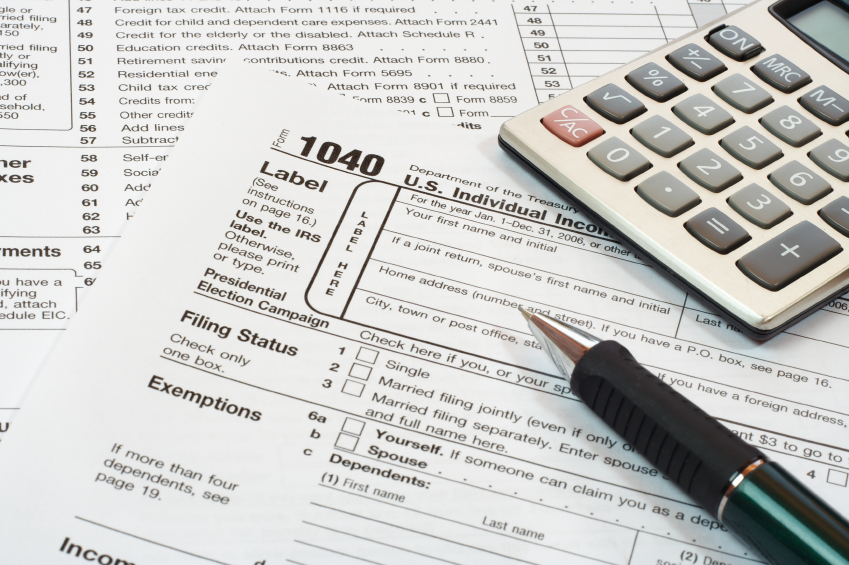
Just when things start to mellow out, I can feel Uncle Sam reaching deep into my already emptied pockets. It's that time of year again when W-2 forms show up in the mailbox, numbers get crunched, and taxes get paid.

Tax

Considering all the things that taxes are used for I guess they aren't too terrible, but they certainly don't help my situation financially as a student in plenty of debt. Once all the government documents arrive and get filed we get to file even more as students.

It wouldn't be possible to pay for school without a little help from the government. Therefore, completing the FAFSA and other scholarship opportunities permits my education to continue. Considering some of the tax breaks, the process a little more bearable (thank you new house). I certainly don't mind being able to file taxes for free.

Expenses

As the numbers become quite important, I thought a running total of expenses for Touro University Nevada's College of Osteopathic Medicine would be appropriate.

Obviously these will vary from year to year and student to student, but it is in the right ballpark. Moving, housing and food expenses have not been included. With Valentine's Day around the corner, you can help curb some of these costs and get some fantastic deals, consider some of these great gift ideas.

Clinical Corner

Epistaxis (Nose bleed)

Research says that about 90% of nose bleeds occur as a result of damage to Kiesselbach's area. It is found in the front part of the nose and has a rich blood supply. The predominant reoccurring trauma is caused by fingers that are doing too much scratching. A smaller percentage comes from the back of the nose that cannot be reached by fingers which often requires medical help. Stopping a nose bleed may take time, and is good knowledge to have if you ever need it.

Tuesday, October 21, 2008

Histology

The histological remains of an embryonic chicken undergoing endochondral ossification is quite a beautiful site. (The images come from Dr. Thomas Caceci, who details the properties of bone formation as part of a histology course.)


The Chicken in the Egg

Using specialized staining techniques, this skeleton takes on two very contrasting colors as a result of the cellular make up in the various structures. The dark red is calcified or hardened bone whereas the lighter blue shows cartilaginous features that are not yet bone.

Through this process of bone formation from cartilage, bones elongate and like animals, we grow. In adulthood, this image would have a stark contrast where the majority would appear to be stained red. Looking at the junction of bone and cartilage, we enter the world of histology.

Histology

Affectionately called "histo," this course in cellular anatomy is rather beautiful. At first exposure it is difficult to see past the bubbly circles, fancy colors, and wavy lines. The meanings of each are crucial to understanding what you see in the microscope. When the initial shock of looking at what appears to be the drawing of a toddler, it is actually exciting to understand the defining features of a histology slide. Perhaps it is the nerd in me, however, this is where we see photographs of medical pathologies.

This is what we commonly view when we are attempting to identify and study structures. This image captures the border between the hard bone and the soft cartilage (aka. the epiphyseal plate). A close look would show the cartilage cells maturing as they progress towards the bony portion.

We study skin, glands, bones, and every other part you could imagine. Each has identifying characteristics that "tell a story." Not all stains are created equal and a variety of colors are available to bring out unique attributes in each slide.

Physicians use histology for the purpose of finding illness or its causes. Muscle histology for example is performed from a muscle biopsy or sample and can be used to diagnose specific diseases identifiable in the specimen. Histology jobs are common in laboratories as many tests will determine the doctor's treatment.

Resources

Many great resources are available if you are looking to brush up on your cellular knowledge or simply enjoy unique images. A microscope and expensive slides are not necessary. Histology atlases and other texts have phenomenal photographs that may be interesting even if you are not taking a course. To think that our bodies are made up of such tiny structures that are vital to proper functioning is mind-boggling.

Wednesday, July 9, 2008

Discount Books


I am growing what seems to be a never ending stack of books. A couple of months ago, Touro sent me a list of 'Required' and 'Recommended' text books for First Year students. At last, the time for real-deal medical books has come...or so I thought.

Buying Medical School Books

After receiving some feedback from veteran students and practicing physicians, I saved hundreds of dollars. Actually it was rather intuitive; do NOT purchase the 'Recommended' books. They certainly may contain some useful information, but I think I will have plenty to read within the covers of my 'Required' library that superfluous texts will only add to my lack of time.

With that decision made, the list was cut in half, leaving me a little less in debt. The remaining 20 books, however, are starting to make my shoulders ache just thinking about carrying them to class.

Since I have not yet received my loan reimbursement, the new problem is being able to pay for $2500 worth in books. My solution has worked thus far and costs approximately $250 every pay check. I made an initial order and waited for the shipment to arrive before selecting the next handful of texts to purchase. It is exciting to think I am one order away from having all my books and the projected total is a little more than $1000.

Bargain Prices

Some students opt to borrow or share texts with their neighbors. Good idea, but I plan to spend some serious time with my books. TUNCOM has an online bookstore that gives back to the school when used to purchase texts as many schools probably have. This is great for the school, unfortunately there is very little discount to the student.

There is an option for getting the books for free, since that includes the military, that option is out for me. As most students are doing now, I turned to the internet's vast library of cheap books. Although there are many online stores for purchasing text books, the two with the greatest savings are no surprise. Between ebay's half.com and omnipresent Amazon, there is a lot of saving power.

The part I like is that you are helping other people sell their books. I imagine down the road I will have to sell mine too, so it is a way to build up positive karma I suppose. Perhaps you are more into funding a 'better' cause. In that case you may be interested in purchasing books for full price and then some at Better World Books who make an effort to stamp out illiteracy.

If used books are viable options, prices can be significantly reduced. Other considerations may be older editions, borrowing, and buying the books as soon as possible. I learned this the hard way. When I first performed my book search, the prices were almost one third of the original. Now only weeks away, costs are up as the cheaper selections have already been bought by others.

Between the Book Covers

As I searched the confines of Amazon, I came across the 'wish list' feature. When you find something you like, you simply click the wish list button to add it and others can see what you want. My list became an organizational tool for me, but if you have a gift giving event coming up, you may consider sharing your wish list with others. Who knows, perhaps they will be able to help cut down on the costs for books and supplies.

With work and preparations to move, opening these books has not been the first thing on my list of priorities. They certainly look attractive though. Knowing I will have plenty of time to digest the material, I am enjoying my vacation now while I am still ahead. For now the mystery will maintain my intrigue.